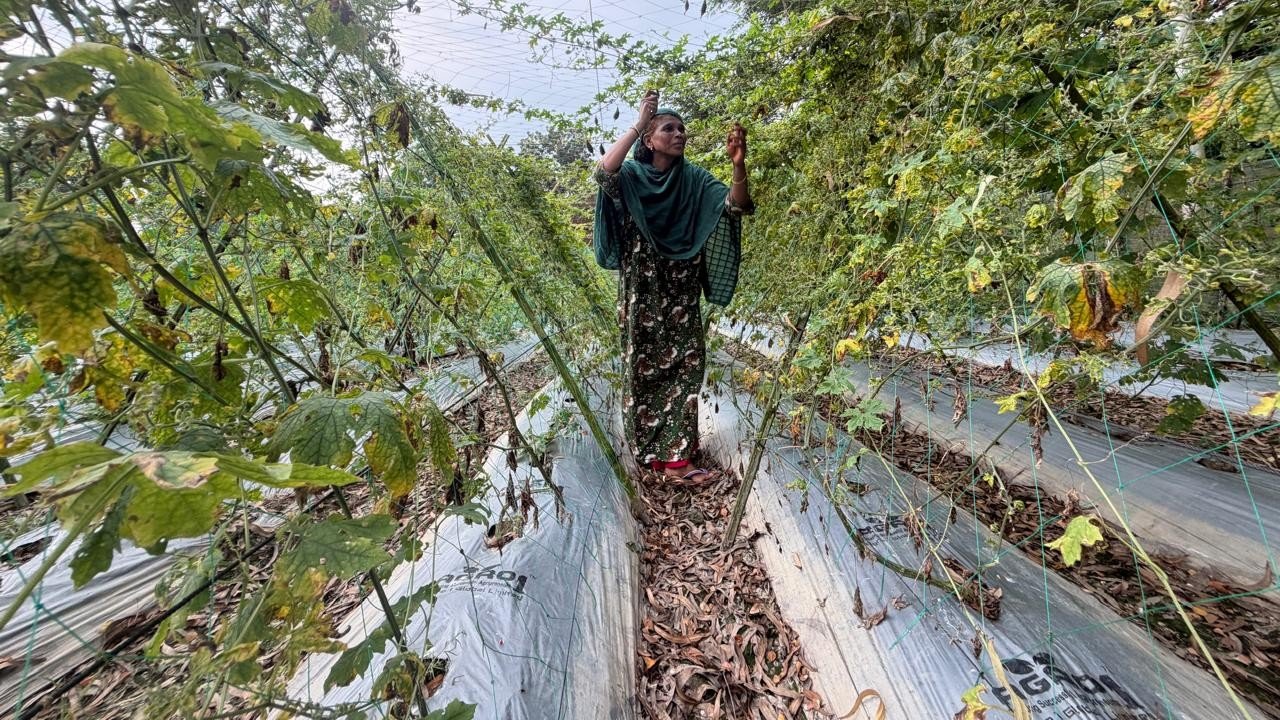
Agricultural resilience in Muksudpur
Our Story

Where It Began

MAHM's story began with one head teacher's insight. Moulovi Abdul Hye, a dedicated primary school teacher, and his son Ali Azam, an engineer and Liberation War veteran, saw clearly what many still overlook: that education and poverty are inseparably linked.

That conviction led them to found their first school in 1996, and two years later, in 1998, to formally establish the Trust that carries their vision forward today, still rooted, generation after generation, in local empowerment.

“Mastery in Servitude.”

The philosophy at the heart of everything we do: excellence is only meaningful when it advances the lives of the most marginalised.
Who We Are

Our Vision & Mission

Every community has the strength to shape its own future. Our vision is clear and ambitious: self-reliant, gender-equitable, climate-resilient and future-ready communities. We strengthen human capital and institutionalise resilience within communities. We promote environmental sustainability and climate resilience. Our mission is to work with vulnerable families to build their resources for secure and sustainable futures.

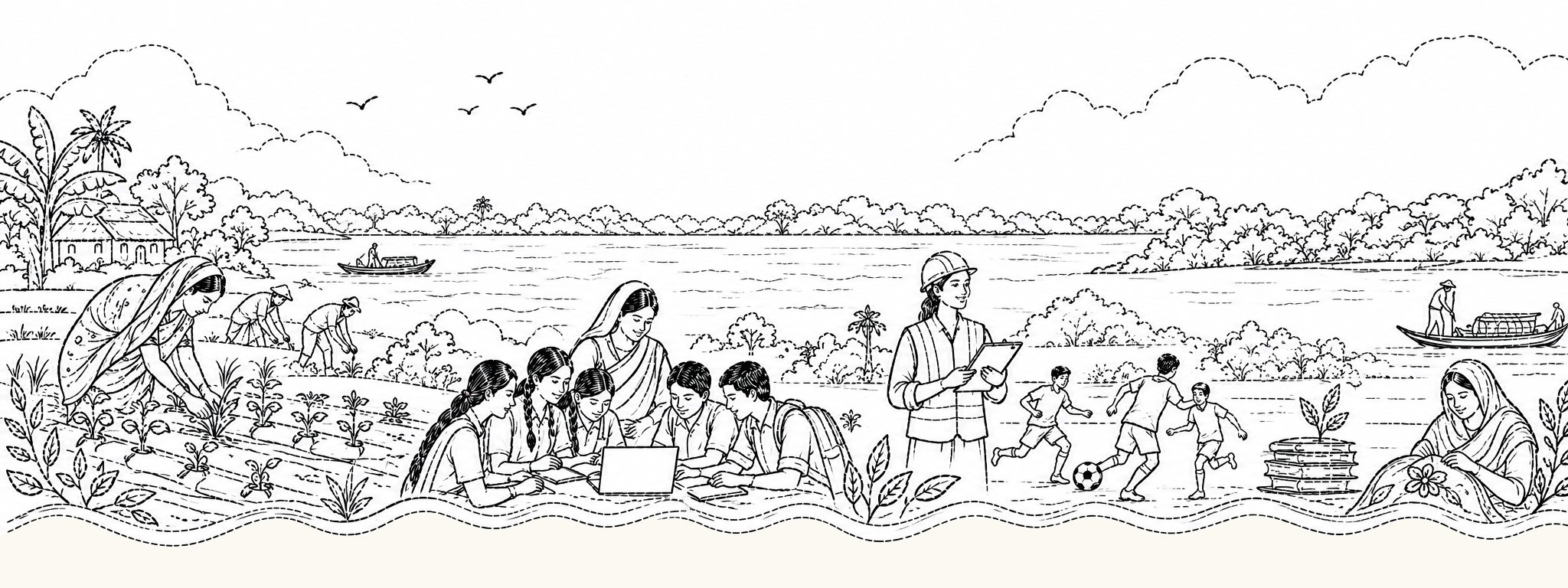
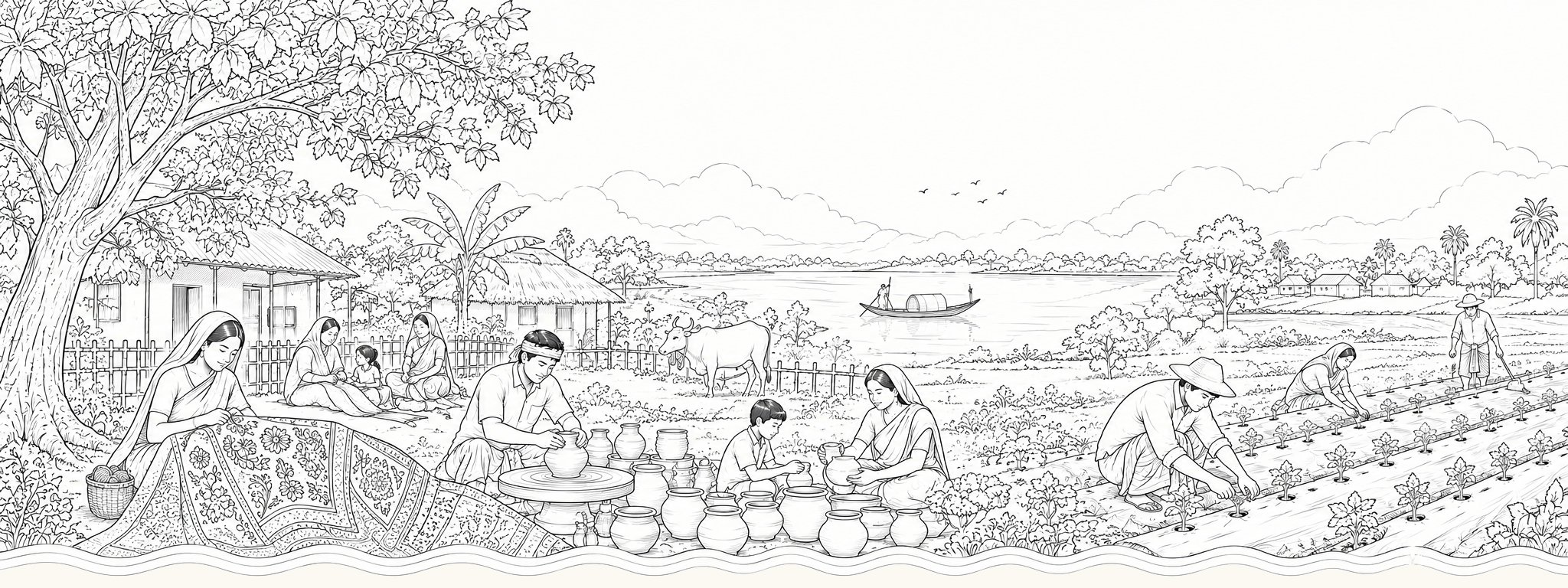
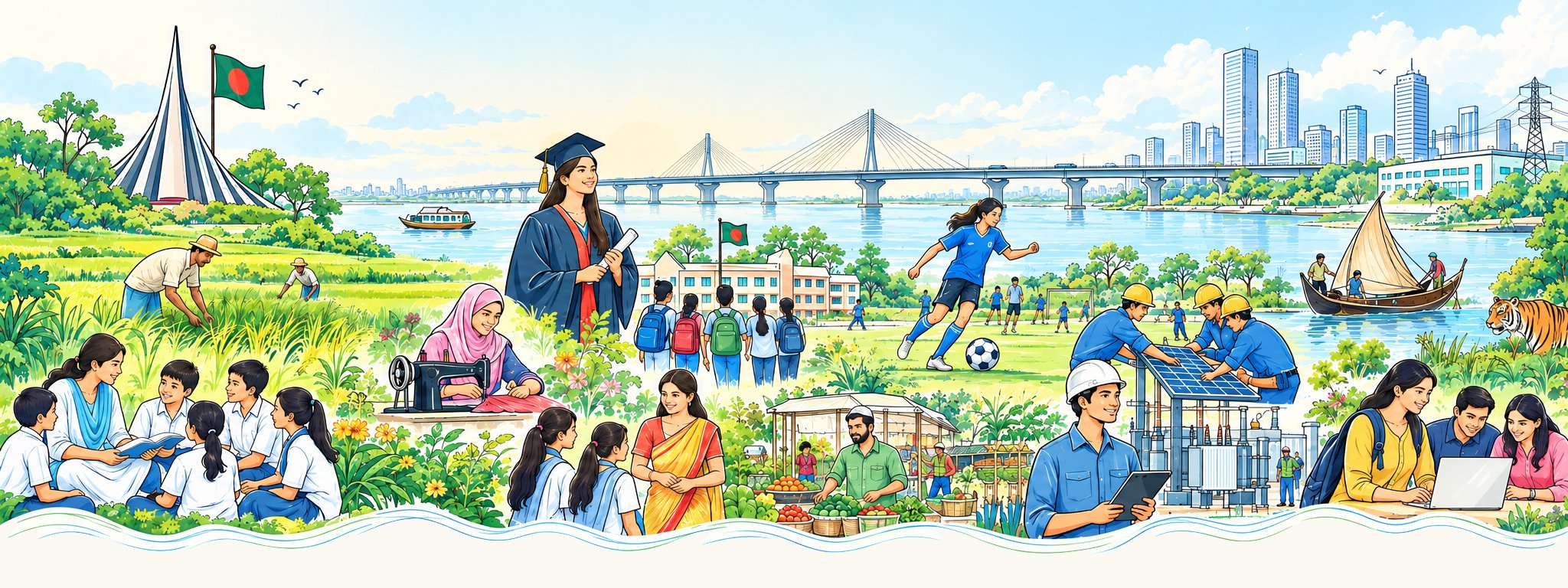
Panoramic illustration of community life, education, agriculture, and future growth in Bangladesh
Our Four Pillars

What We Do

Everything we build stands on four interconnected pillars, because lasting change rarely comes from just one direction.

🌱

Inclusive Growth

We open fair pathways to economic participation, shaping each programme, integrated or stand-alone, around what a community actually needs to thrive sustainably.

📚

Education Continuum

From the first day of school to lifelong learning, we work to keep the classroom door open so no child's education is interrupted by circumstance.

🤝

Women's Livelihood & Financial Empowerment

We strengthen women's skills, income pathways, and support networks, building the financial independence that helps prevent early marriage.

🌾

Sustainable Agriculture, Fisheries & Food Security

We help farming and fishing households produce and earn sustainably, including our local-to-global coalition work on chemicals and waste management to protect the land they depend on.

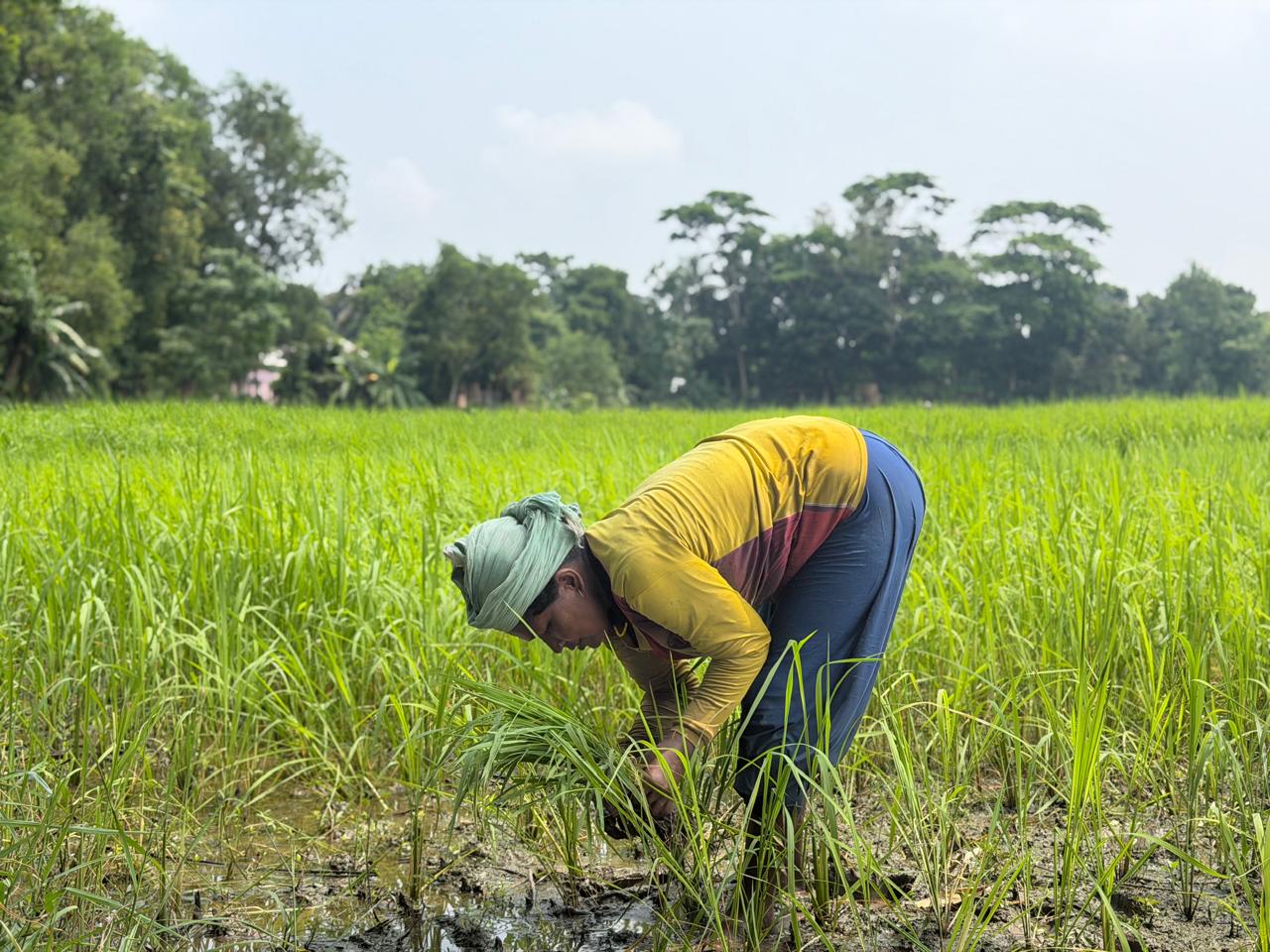
Farmer planting seedlings in the field
Inclusive Growth
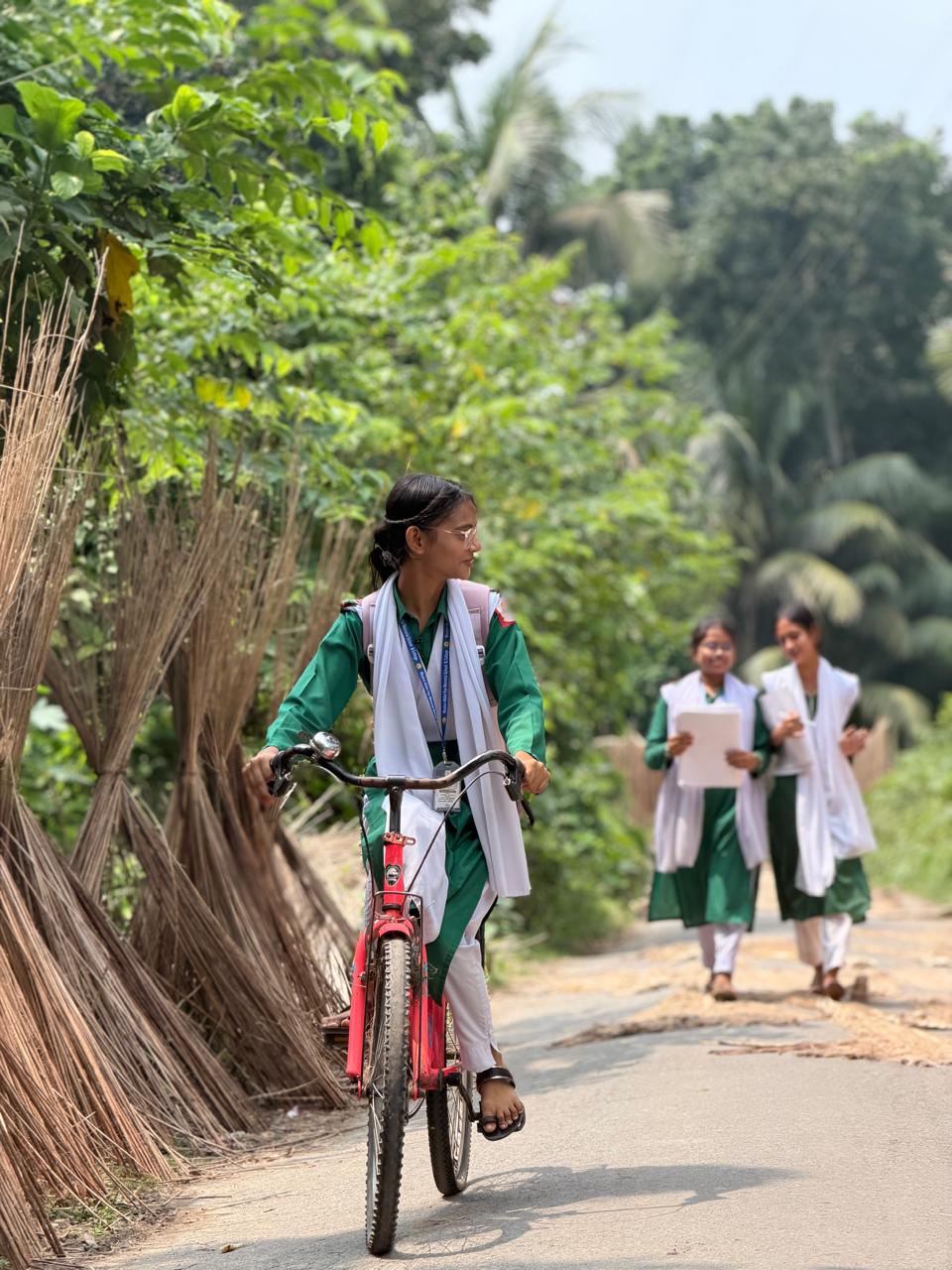
Students commuting and studying together
Education Continuum
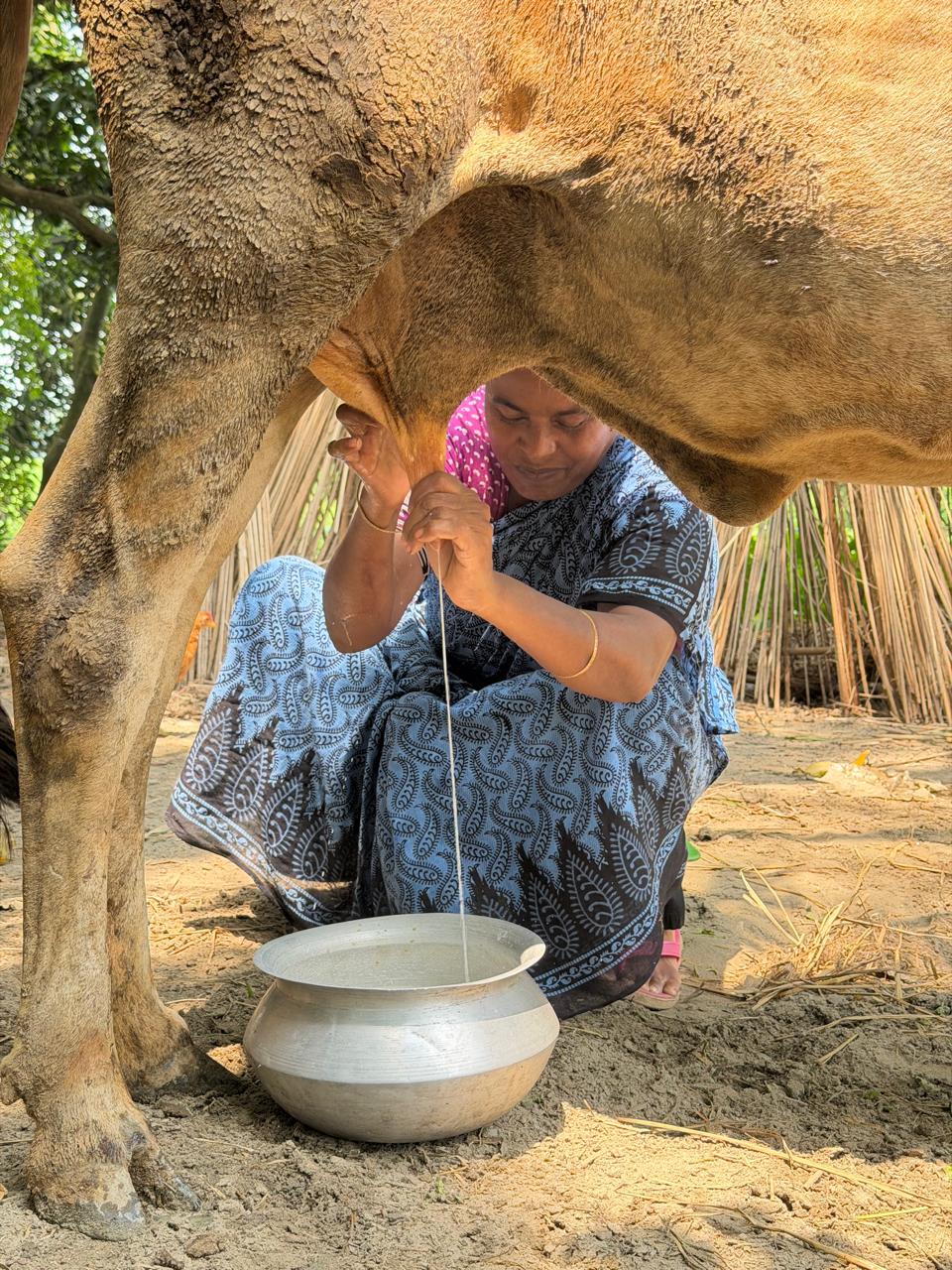
Woman managing dairy and livestock in Muksudpur
Women's Livelihood
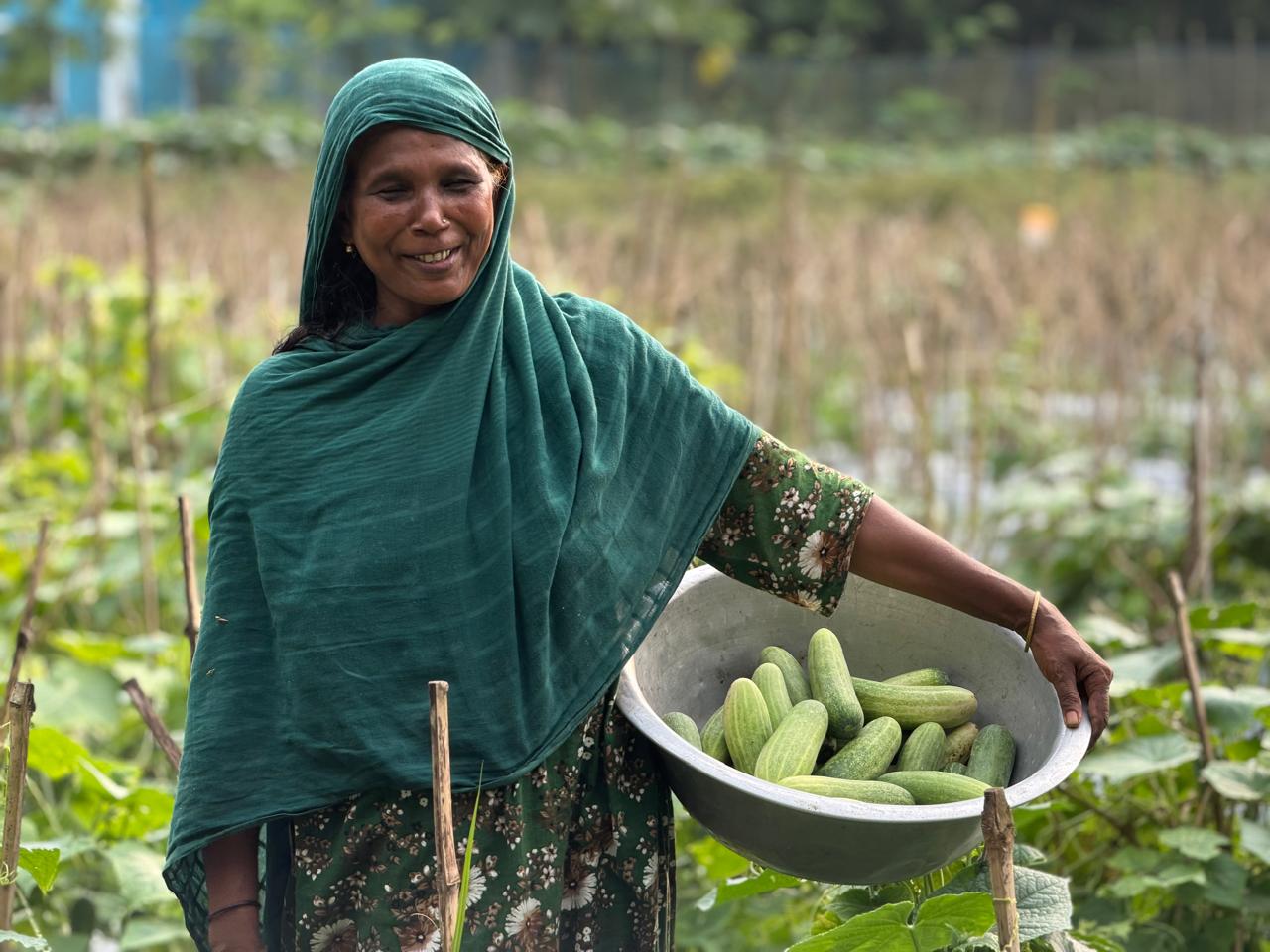
Smiling woman carrying harvested fresh produce
Sustainable Agriculture
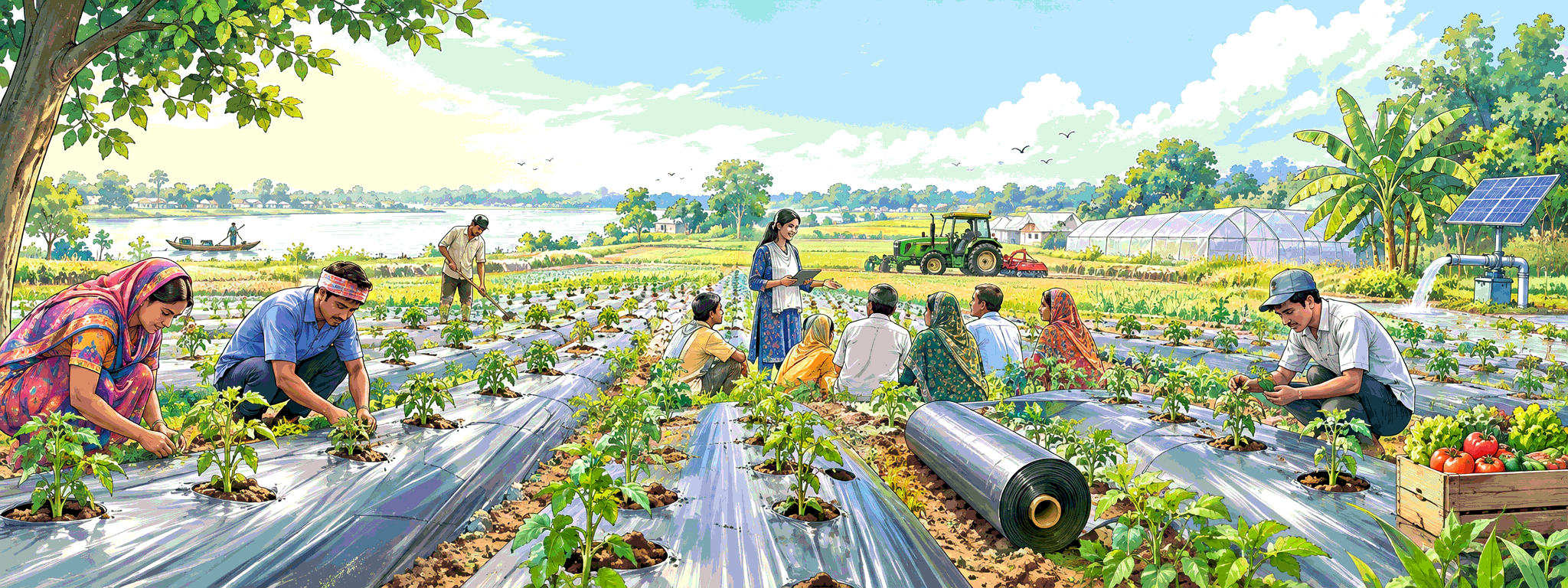
Agricultural plastic mulching film and solar irrigation in rural Bangladesh
Our Principles

How We Work

01

Dignity First

We don't work with passive beneficiaries. Every participant is an active decision-maker, our role is to open doors, not create dependency.

02

Holistic & Systems-Based

Poverty is never just one problem. We treat education, livelihoods, health, and environment as connected parts of the same picture.

03

Multi-Generational Stewardship

Rooted in decades of continuity, we adapt every year to new challenges, from climate vulnerability to shifting local economies.

04

Mastery in Servitude

Our guiding philosophy: excellence only means something when it advances the sustainable development of the most marginalised.
Hand-drawn illustration of teachers, students, engineers, and community workers

Our Team

Trust Leadership

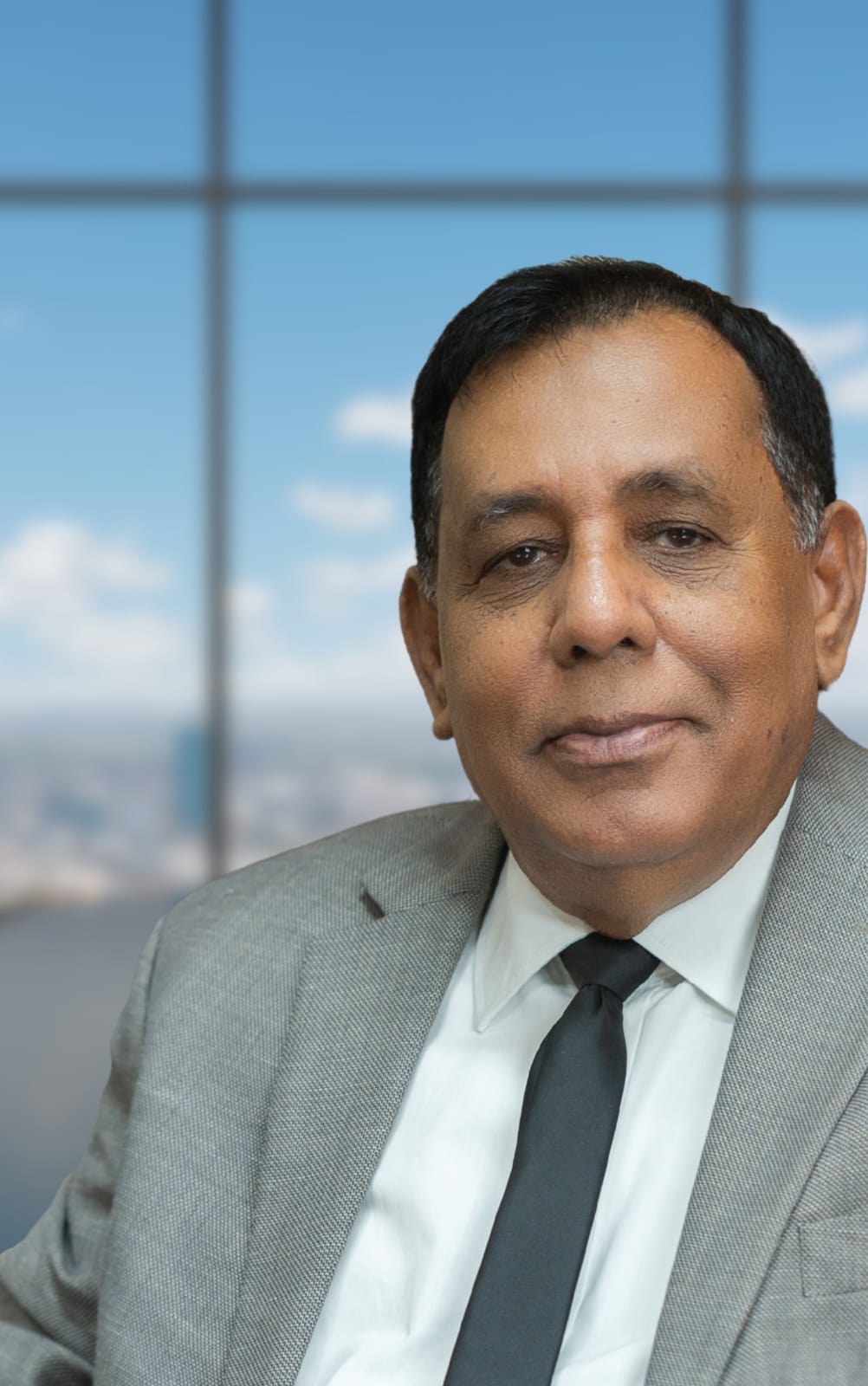
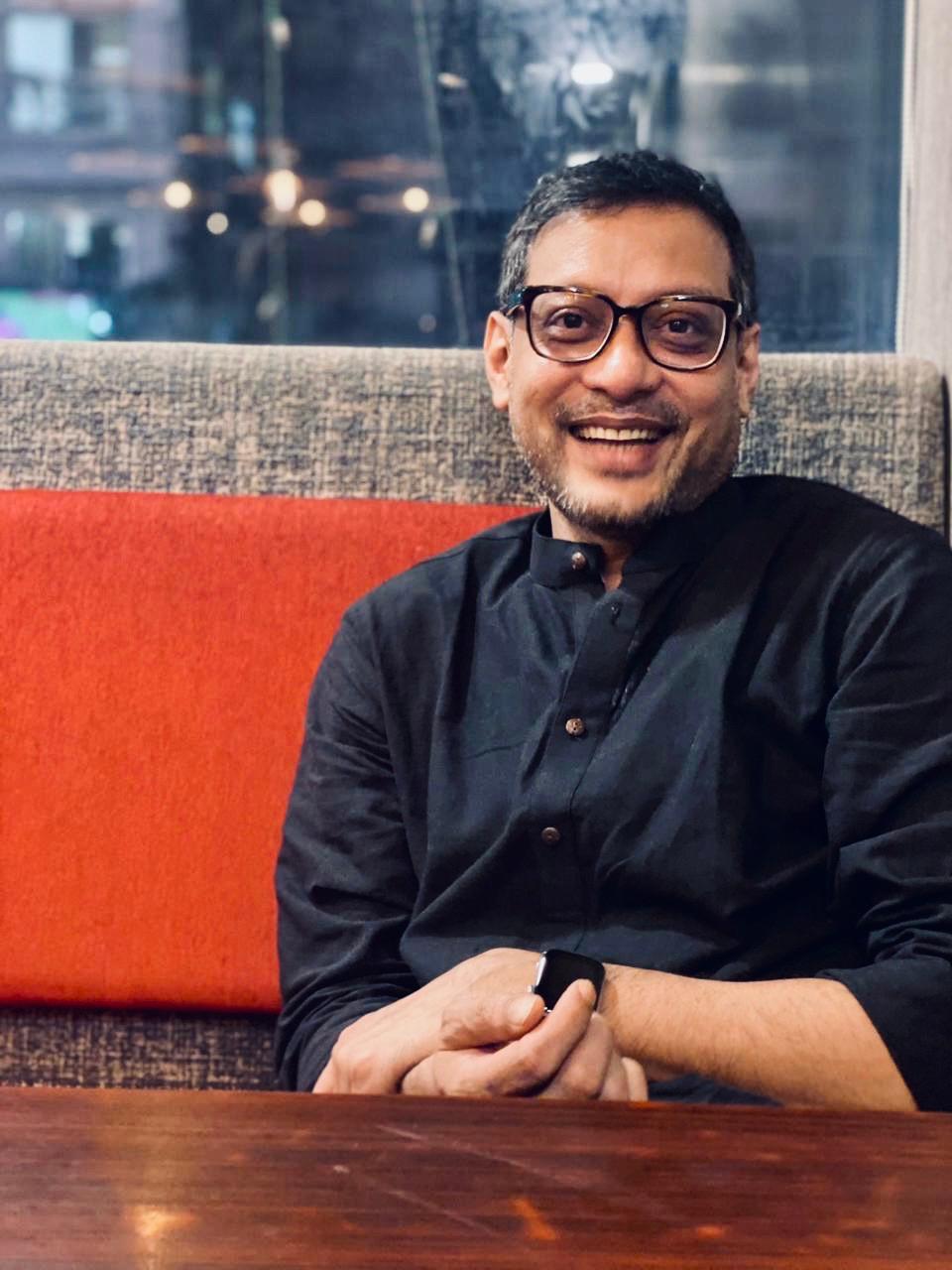
Ali Azam

Ali Azam

FounderRead more...
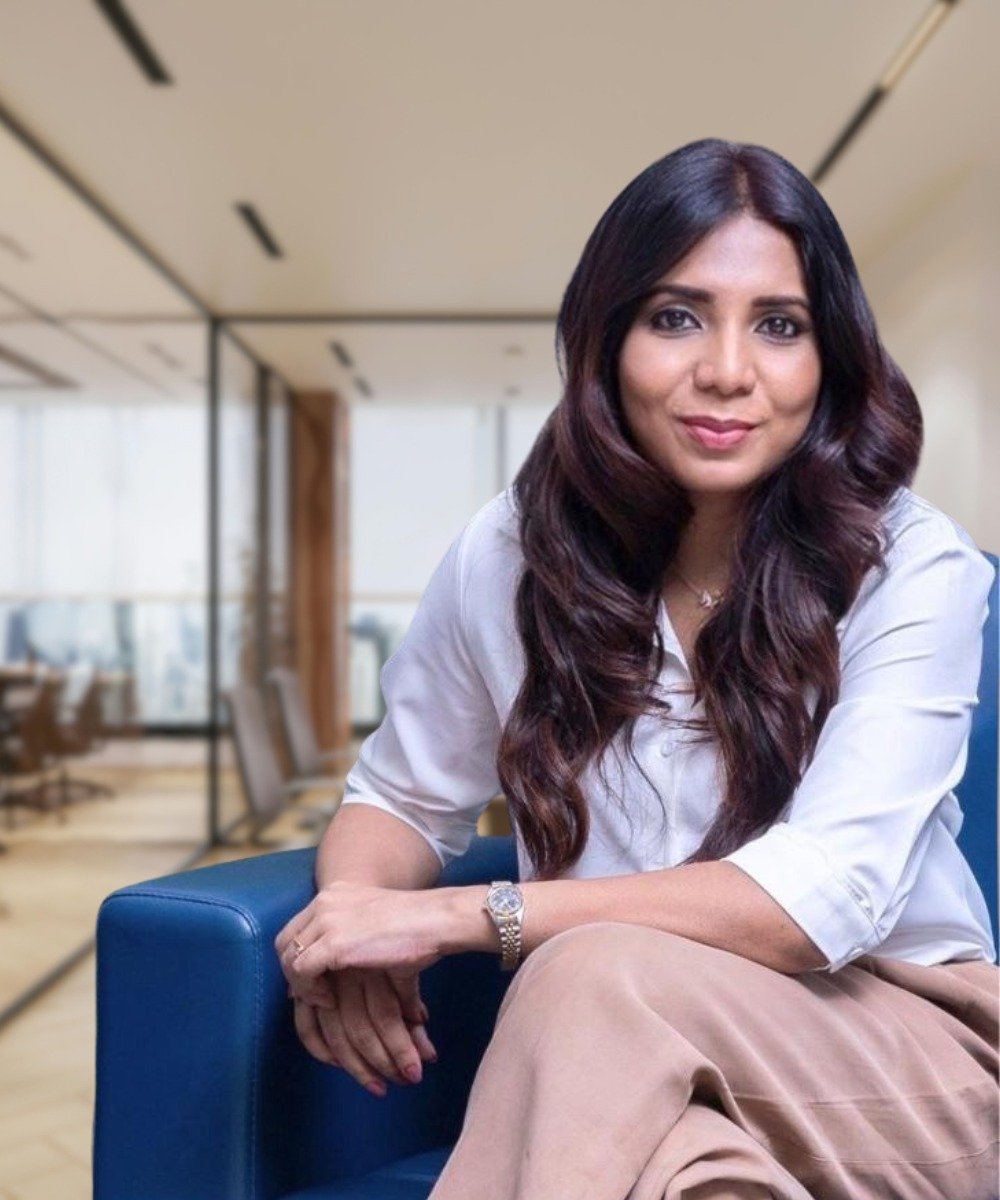
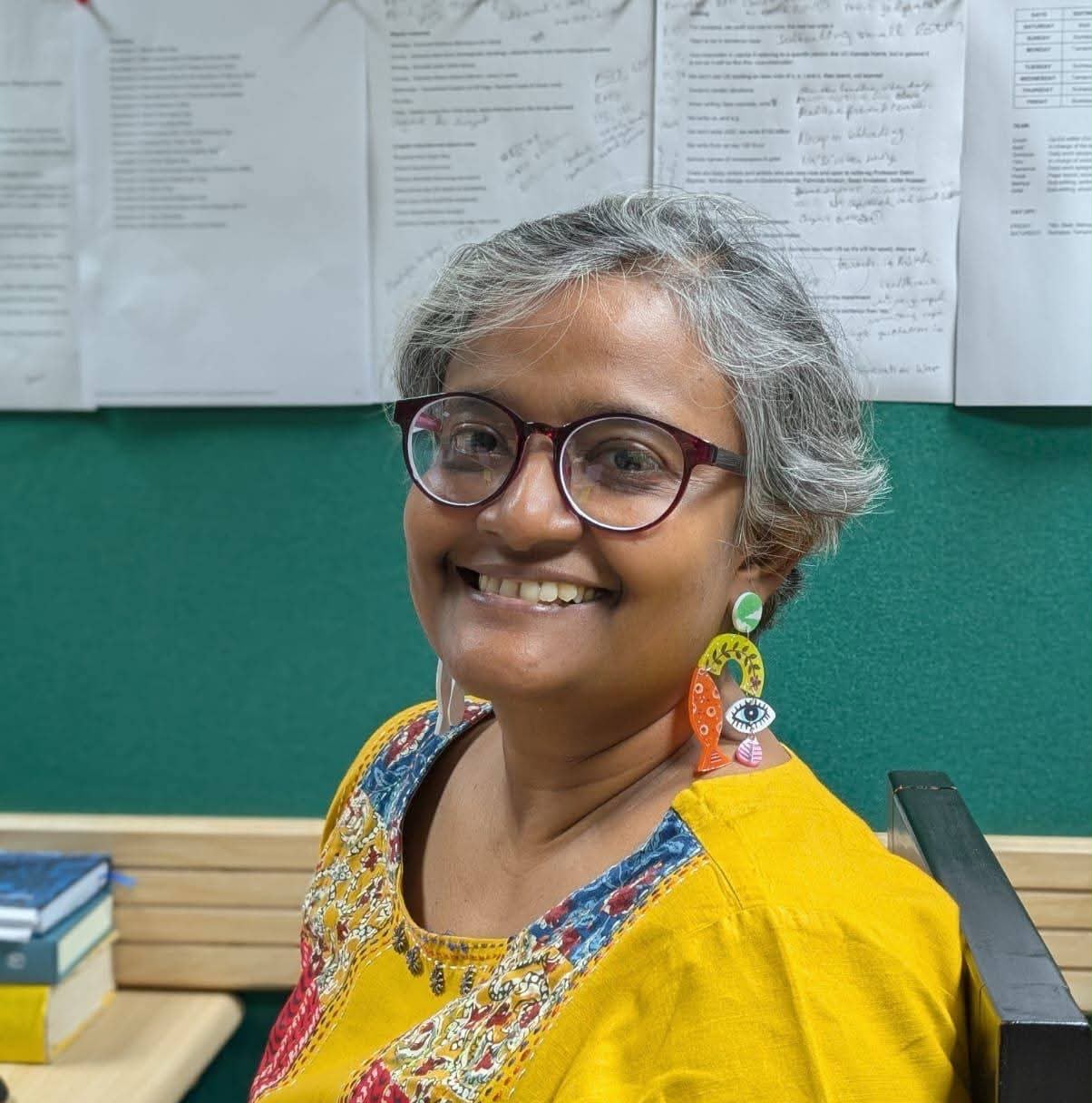
Tarana Ali

Tarana Ali

ChairpersonRead more...
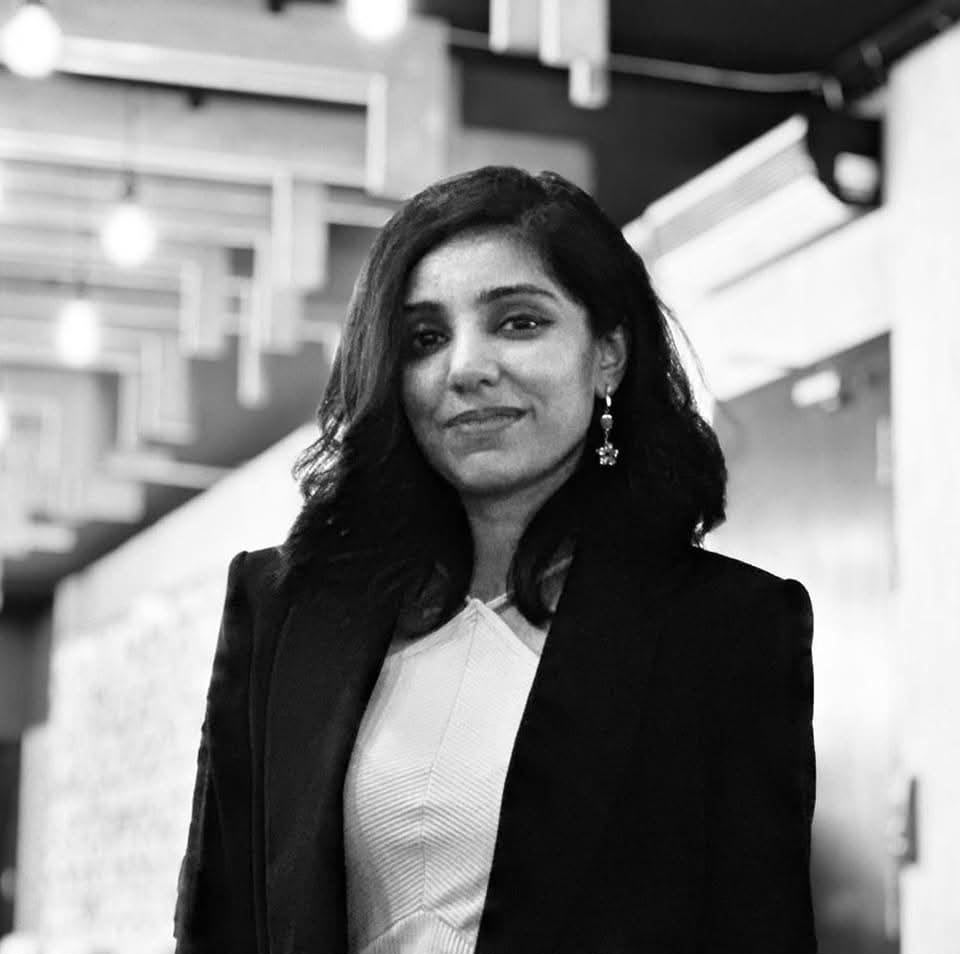
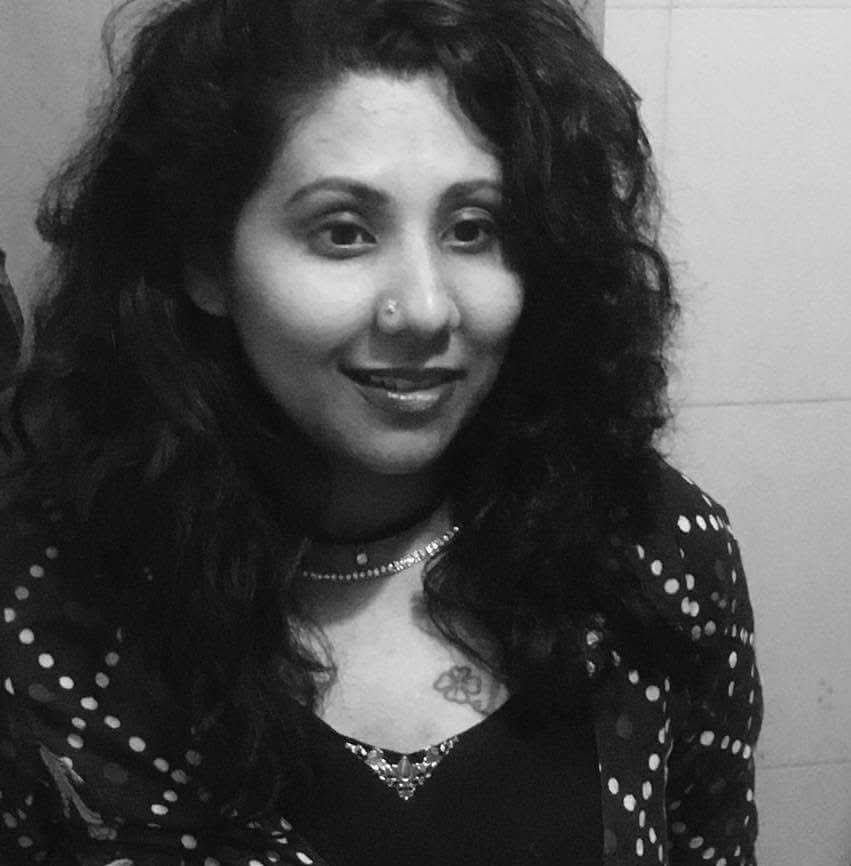
Elisun Ali

Elisun Ali

Deputy ChairpersonRead more...

Strategic Advisers

Palash Das

Palash Das

Senior AdviserRead more...
Tamanna Khan

Tamanna Khan

AdviserRead more...

Executive & Programme Leadership

Lucky Mony

Lucky Mony

Executive DirectorRead more...
Shaheen Bin Siraz

Shaheen Bin Siraz

Head of ProgrammeRead more...

Operations & Impact

Md. Zakir Hossain

Md. Zakir Hossain

AdminRead more...
Ajufa Akhter

Ajufa Akhter

M&E LeadRead more...
The Evidence Behind The Work

Our Impact

Where The Need Is Greatest

Sector Risk Priority Matrix

Synthesised from our household assessment, this data dictates exactly where our resources go, and where they don't, yet.

Water Security
78%
Critical · Quality Crisis
Digital Access & Assets
58%
High · Structural Barrier
Income Security
56%
High · Precarity
Savings & Financial Resilience
56%
High · Insolvency
Sanitation
55%
High · Structural
Healthcare
53%
High · Capital Erosion
Housing & Structural Safety
51%
High · Climate Risk
Food Security
49%
Monitor
Education
35%
Core
Income Diversification
27%
Core
While Digital Access rates “Moderate” on the composite scale, the 47.3% total lack of connectivity represents a foundational bottleneck, a structural barrier to financial inclusion, educational continuity, and remote economic participation.

The Quality-Over-Proximity Crisis

Water insecurity is a crisis of quality, not geography.

93.3%have a water source within 100 metres
88.7%of those sources are unsafe

This “proximity trap” masks a deep public health crisis, which is why water security is our foundational strategic priority.

The Debt-Financed Survival Trap

The target population is trapped in mathematical insolvency.

৳142,299mean household debt
৳120,000median annual income

A net annual deficit of ৳22,299 per household. With 82.7% holding zero savings, families are forced into high-interest debt just to survive.

Panoramic illustration of rural community life and farming in Bangladesh
Compound Vulnerability

Deprivation Is Multi-Layered

Isolated, siloed interventions fail the households facing compound vulnerability across many sectors at once, so we don't design them that way.

16.7%
50.6%
32.7%
0–2 high-risk sectorsLow compound vulnerability
3–6 high-risk sectorsModerate–High compound vulnerability
7+ high-risk sectorsSevere–Extreme compound vulnerability
Our Logic Model

How Change Happens

1

Basic Needs

Stabilise safe water, nutrition, and storm-resistant housing to mitigate the shocks that drain limited capital.

2

Skills & Market Access

Market-driven skills and value-chain training let households diversify income beyond the 72.7% single-source dependency.

3

Financial Inclusion

Moving from predatory debt to formal savings and tailored products secures liquidity for long-term investment.

4

Gender Empowerment

Socio-economic empowerment and community sensitisation grow women's control over household resources.

“Targeted, multidimensionally poor women and households sustainably build resilience against future economic, social, and climatic shocks, transitioning from survival mode to graduation status.”

By 2031

Strategic Objectives

Economic Stability

Diversify income to eliminate the 72.7% single-source dependency and bridge the ৳22,299 annual income-to-debt deficit.

Access to Basic Needs

Eradicate arsenic exposure and mitigate the ৳34,739 annual medical expenditure through preventative water security.

Future Prospects

Sustain educational attainment and measurably reduce social precarity and early marriage.

Climate Resilience

Build climate-resilient communities by promoting nature-based farming, sustainable waste management, waste prevention, and practical green practices including clean energy use.

Proof Of Concept

Our Pilot Programmes

PILOT 1

Education & Digital Literacy

Objective

Stabilise the Education Continuum and bridge the digital divide.

Vulnerability

25.2% irregular attendance; 47.3% lack of connectivity.

Activities

IT assets, digital literacy training, financial-barrier removal (৳16,247/child/year).

PILOT 2

Sustainable Livelihood Graduation

Objective

Institutionalise income diversification through demand-driven pathways.

Vulnerability

72.7% single-source dependency; 48.7% precarious day labour.

Activities

Livestock rearing and sewing/tailoring, requested by 37% of respondents.

PILOT 3

Water Security & Health Resilience

Objective

Mitigate systemic capital leakage caused by chronic disease.

Vulnerability

78% water risk; 44% chronic disease prevalence.

Activities

Safe water filtration and integrated chronic-disease management.

PILOT 4

Regenerative Agriculture & Plastic Recovery

Objective

Plastic management and regenerative agriculture.

Vulnerability

Soil health degradation, environmental hazard, and waste dumping.

Activities

Farmer awareness and training; plastic usage and waste management.

🌍
Local-to-Global Coalition · Under Sustainable Agriculture

Chemicals & Waste Management: Tackling Agricultural Plastic Pollution

Through our local-to-global coalition on chemicals and waste management, we're tackling one of agriculture's most overlooked problems: plastic pollution left in the field. In Bangladesh, we're building a circular, commercially viable recovery system that brings farmers and the private sector into the same value chain, pairing a targeted, incentivised collection model with an AI-based decision-support tool that adjusts collection logistics and pricing in real time. The result is a verifiable chain running from farmer training all the way to final recycling. On the ground, that means measurably less plastic waste left in the field, an end to open burning, and healthier soil for the next season's harvest.

Measuring What Matters

Key Performance Indicators

CategoryQuantitative IndicatorQualitative Indicator
Resilience% reduction in household debt-to-income ratioIncrease in self-reported social belonging
Education% increase in regular school attendanceDocumented reduction in early marriage risk
Health% decrease in annual medical expenditureImproved self-reported physical well-being
Women Empowerment% increase in women's control of household resourcesIncrease in self-reported autonomy / dignity
Agriculture% increased green/clean practices among the farmersImproved Soil Health and Produce
Dignity First Criteria

Who We Prioritise

Priority GroupData-Driven Justification
Widowed / Female-Headed13.3% of households: acute single-earner dependency and social isolation.
The Debt-InsolventHouseholds with zero savings (82.7%) and debt exceeding annual income.
Climate-Vulnerable62% of households will be severely affected by climate change in next 5-7 years.
Medical Distress44% household prevalence of heart disease, stroke, or respiratory illness.
Large / Dependent HouseholdsFamilies with 4+ children or high elderly-dependency ratios.
Empowered families become models of resilience, a critical mass of “graduated” households creates a ripple effect that strengthens community citizenship and collective decision-making.

Source: MAHM baseline household assessment, 150 households, Muksudpur Upazila (Strategic Program Plan, Version 2).

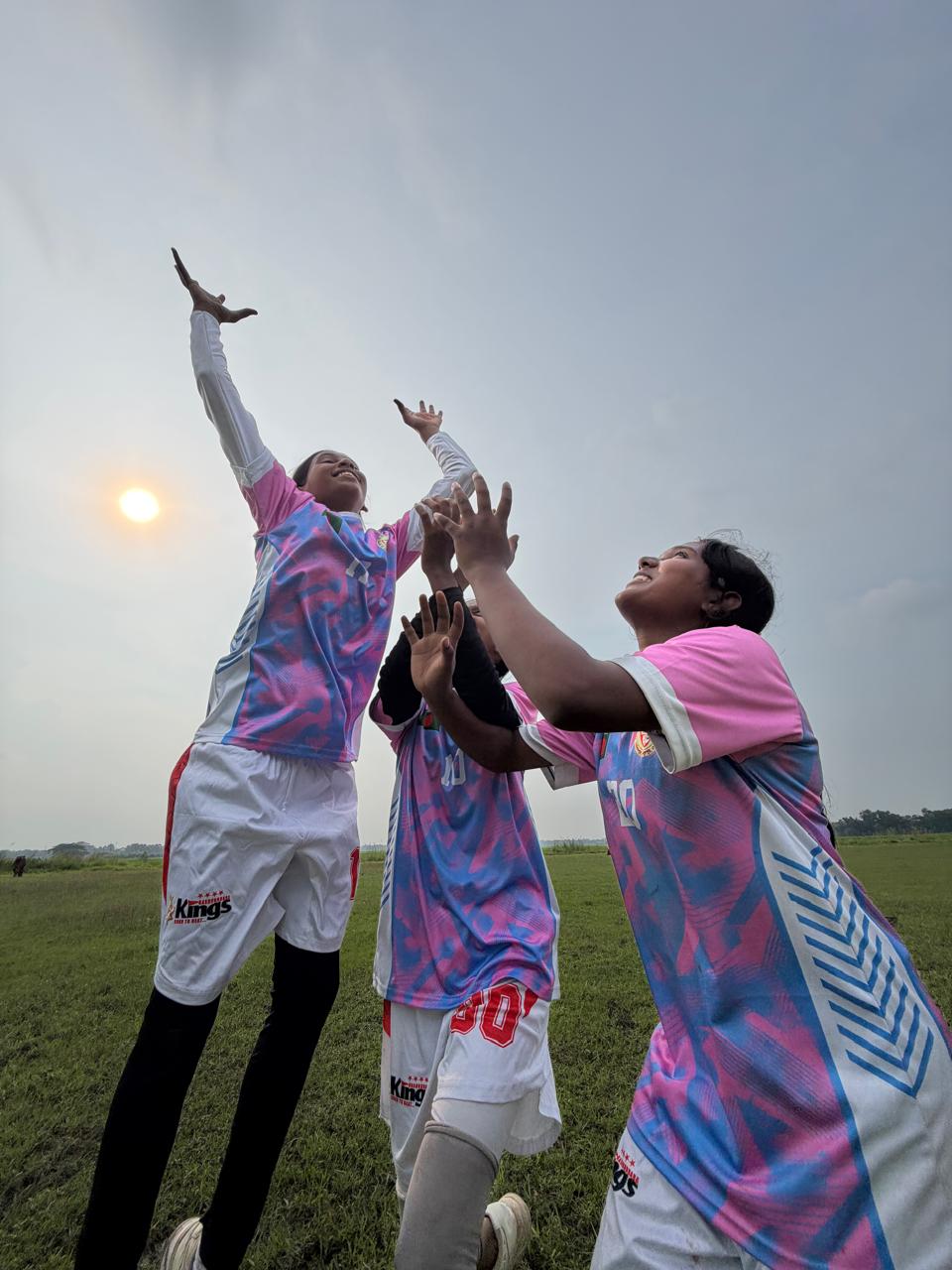
Youth participating in community sports and activities
Join Us

Get Involved

Whether you give, volunteer, or simply share our story, every bit of support strengthens the communities we serve.

💚

Donate

Your gift funds a specific, costed intervention, from a ৳9,370 water filter to a ৳16,247 year of schooling.

🙋

Volunteer

Bring your skills to our pilots on the ground, from digital literacy training to livelihood coaching.

Apply to Volunteer
🤝

Partner

We work best in coalition, local and global. If your organisation shares our focus, let's talk.

Start a Conversation
Reach Us

Contact

📍

Address

374 (5th Floor), Tejgaon I/A, Dhaka - 1208

📞

Phone

02-55029739

✉️

Email

info@mahmtrust.org

🕐

Office Hours

10am To 5pm